

Know More

Hypertension & Complications

   Hypertension, or high blood pressure, is a common condition where the force of the blood against your artery walls is consistently too high. Over time, it can lead to serious health problems if not managed properly.
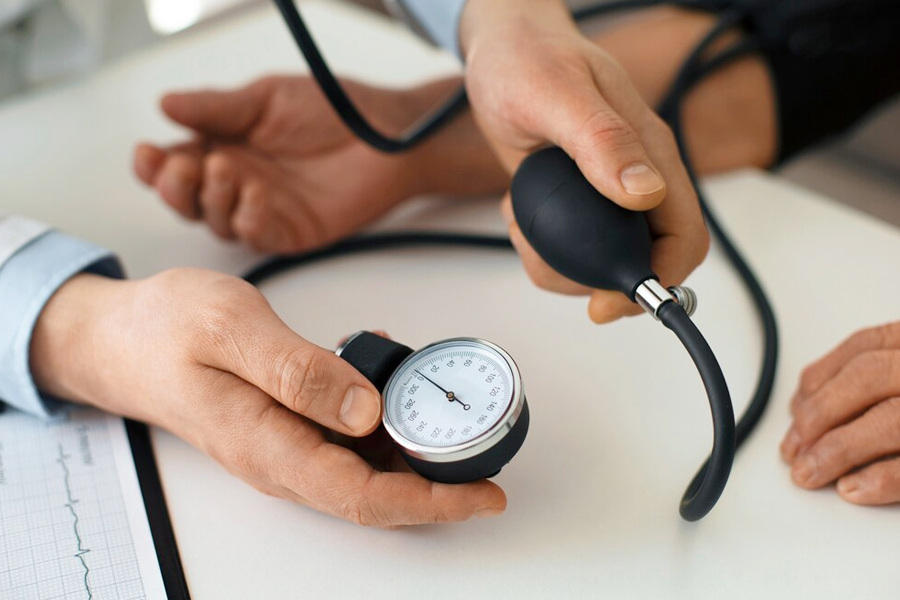
  • Normal BP: Less than 120/80 mm Hg
  • Elevated BP: 120–129/Less than 80 mm Hg
  • Stage 1 Hypertension: 130–139/80–89 mm Hg
  • Stage 2 Hypertension: ≥140/90 mm Hg
Why

Why Hypertension is Dangerous: Complications

If left uncontrolled, high blood pressure can damage organs and lead to life-threatening complications, such as:

01

Heart Disease

  • Coronary artery disease
  • Heart failure
  • Left ventricular hypertrophy (enlarged heart)
02

Stroke

  • High blood pressure can lead to both ischemic and hemorrhagic strokes.
03

Kidney Damage

  • Hypertension is a leading cause of chronic kidney disease and kidney failure.
04

Eye Damage

  • Hypertensive retinopathy can cause vision problems and even blindness.
05

Aneurysms

  • Persistent high pressure can weaken artery walls, leading to aneurysms.
06

Cognitive Issues

  • Increases the risk of vascular dementia and cognitive decline.
Parijat Hospital

Causes of Hypertension

Hypertension can develop due to various factors, including:

  • Genetics
  • Genetics
  • Excessive salt intake
  • Smoking and alcohol use
  • Sedentary lifestyle
  • Chronic kidney disease
  • Stress
  • Certain medications
Parijat Hospital

Symptoms of Hypertension

Hypertension is often called the "silent killer" because many people show no symptoms. However, in some cases, symptoms may include:

  • Headaches
  • Dizziness
  • Blurred vision
  • Chest pain
  • Shortness of breath
  • Nosebleeds (in severe cases)
Parijat Hospital

Prevention & Management

Managing blood pressure is key to reducing the risk of complications. Steps include:

  • Healthy Diet: DASH diet, low salt, more fruits and vegetables
  • Regular Exercise: At least 30 minutes a day, 5 days a week
  • Weight Control
  • Quit Smoking
  • Limit Alcohol
  • Medication: Take prescribed medications regularly
  • Routine Monitoring: Keep track of your BP at home and with your doctor
Parijat Hospital

When to See a Doctor

  • Your blood pressure readings are consistently high
  • You experience symptoms like headaches, chest pain, or shortness of breath
  • You have other risk factors such as diabetes or a family history of hypertension