

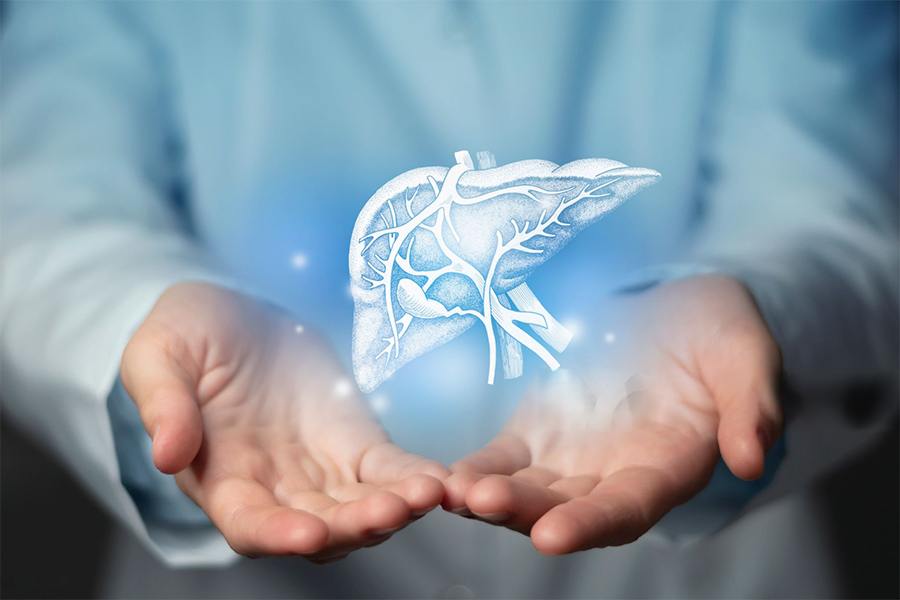
The liver is a vital organ responsible for detoxifying the blood, producing bile for digestion, storing nutrients, and regulating metabolism. Liver diseases impair these functions and can lead to serious health issues, including liver failure if left untreated.
1. Hepatitis (A, B, C, D, E)
nflammation of the liver, usually caused by a virus, but also by alcohol, drugs, or autoimmune disorders.
2. Fatty Liver Disease (NAFLD & AFLD)
Excess fat build-up in the liver due to alcohol (Alcoholic Fatty Liver Disease) or metabolic factors (Non-Alcoholic Fatty Liver Disease).
3.Cirrhosis
Scarring (fibrosis) of the liver due to long-term damage, often from hepatitis or alcohol abuse.
4. Liver Cancer (Hepatocellular Carcinoma)
A type of cancer that starts in the liver, often developing in those with cirrhosis or chronic hepatitis.
5. Hemochromatosis
A genetic condition causing excess iron to accumulate in the liver and other organs.
6. Wilson’s Disease
A rare genetic disorder causing copper buildup in the liver, brain, and other organs.
Liver disease is diagnosed through:
Treatment depends on the type and severity of the liver disease:
Seek medical attention if you experience: