

Know More

Kidney Diseases

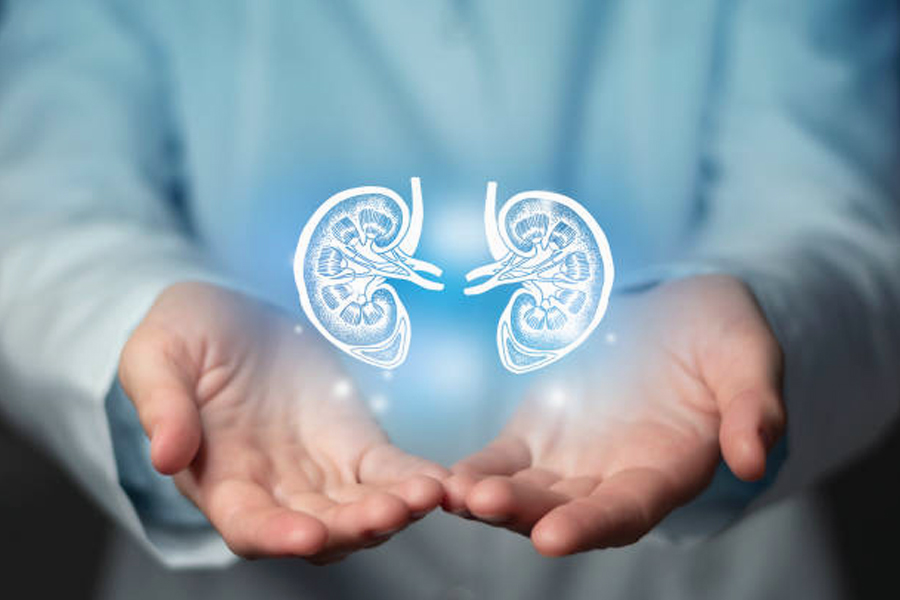
   The kidneys are vital organs that filter waste and excess fluids from your blood, regulate blood pressure, and balance electrolytes. When the kidneys don’t function properly, waste can build up in the body and cause serious health issues. Kidney diseases can range from mild to life-threatening, and early detection is crucial for effective treatment.
Parijat Hospital

Common Kidney Diseases

1.Chronic Kidney Disease (CKD)

A long-term condition where kidney function gradually declines over time.

  • Causes: Diabetes, high blood pressure, autoimmune diseases
  • Symptoms: Fatigue, swelling in ankles/feet, changes in urination, nausea
  • Treatment: Blood pressure control, diabetes management, dialysis in later stages

2.Acute Kidney Injury (AKI)

A sudden loss of kidney function, often due to injury, dehydration, infection, or medications.

  • Causes: Severe infections, shock, certain drugs, low blood flow
  • Symptoms: Decreased urine output, fluid retention, confusion
  • Treatment: Hospital care, fluid management, temporary dialysis if needed

3.Kidney Stones

Hard mineral deposits that form inside the kidneys and can cause severe pain when passing.

  • Symptoms: Intense back or abdominal pain, blood in urine, nausea
  • Treatment: Increased fluids, pain relievers, shock wave therapy, surgery if large

4. Polycystic Kidney Disease (PKD)

A genetic disorder where fluid-filled cysts grow in the kidneys, affecting function over time.

  • Symptoms: High blood pressure, side pain, urinary tract infections, kidney failure
  • Treatment: Blood pressure management, lifestyle changes, dialysis or transplant in advanced cases

5. Glomerulonephritis

Inflammation of the tiny filters in the kidneys (glomeruli), which can affect filtering ability.

  • Causes: Infections, autoimmune diseases, unknown reasons
  • Symptoms: Blood in urine, swelling, high blood pressure
  • Treatment: Medications to control inflammation, diet changes
Parijat Hospital

Signs & Symptoms of Kidney Disease

  • Fatigue and weakness
  • Swelling in legs, ankles, or feet
  • Frequent or reduced urination
  • Foamy or bloody urine
  • Shortness of breath
  • Nausea or vomiting
  • High blood pressure
  • Difficulty concentrating
Parijat Hospital

Risk Factors

  • Diabetes
  • Hypertension
  • Family history of kidney disease
  • Age over 60
  • Heart disease
  • Obesity
  • Smoking
  • Frequent use of painkillers or certain medications
Parijat Hospital

Diagnosis

Kidney disease is diagnosed through:

  • Blood tests (e.g., creatinine, eGFR)
  • Urine tests (protein or blood in urine)
  • Ultrasound or CT scan
  • Kidney biopsy (in some cases)
Parijat Hospital

Treatment Options

Treatment depends on the type and stage of kidney disease:

  • Lifestyle Changes: Low-sodium diet, blood sugar control, quitting smoking
  • Medications: To control blood pressure, manage anemia, reduce protein loss
  • Dialysis: Artificial filtering of blood in end-stage kidney failure
  • Kidney Transplant: Replacing the damaged kidney with a healthy donor organ
Parijat Hospital

Preventing Kidney Disease

  • Keep blood pressure and blood sugar under control
  • Stay hydrated
  • Eat a kidney-friendly diet (low in salt, processed foods, and excess protein)
  • Avoid overuse of NSAIDs and other kidney-damaging drugs
  • Maintain a healthy weight
  • Quit smoking
  • Get regular check-ups, especially if you’re at high risk
Parijat Hospital

When to See a Doctor

Contact your healthcare provider if you experience:

  • Persistent swelling
  • Blood or foam in urine
  • Sudden changes in urination
  • Unexplained fatigue
  • High blood pressure
  • Family history of kidney problems